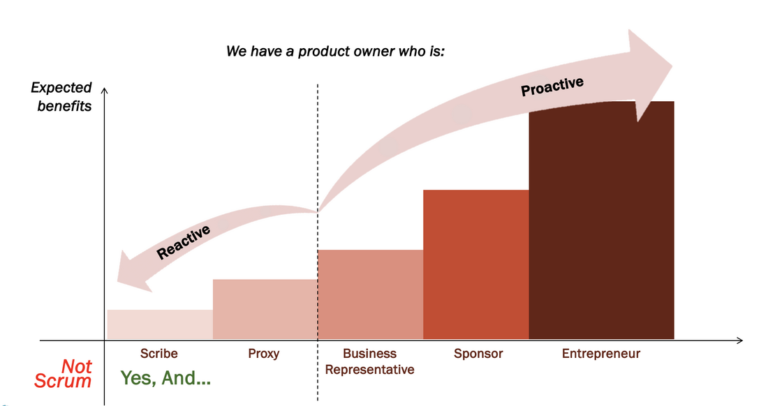
Let’s start this post with a few questions: Is your product (#Noproject) roadmap working? How much time and effort do you spend updating it, yet it’s still far from reality? If your roadmap is still valid and value can be created for the end user, this post is not for you. This post also does not explain how to create a good roadmap; it just shows common issues when building a roadmap that can make your plan useless.
Some common problems with the roadmap
Look back at the way we created a roadmap. We used to focus on WHAT and HOW we aimed to deliver or release. It’s focused more on deliverables and commitment only, but an important thing is left behind: WHY do we do it?
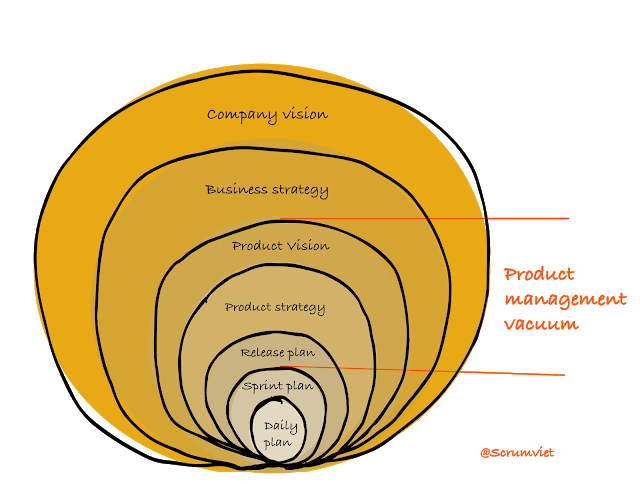
- Without a big picture: User inputs, Data, Market Research, Company Vision… How can you have a roadmap without that Data and Company Vision? A lack of vision is like a developer who plans to deliver value in the darkness; a team can’t shoot without a goal. The image above is a bit of a sharing about how the company vision is shared and connected by the team.
- Scrum team spent time estimating, researching, and analyzing user data to order the priority value that they will deliver, but they don’t communicate it to other stakeholders. On the other hand, a lack of collaboration from other departments about their plans in a roadmap also leads to misalignment. Any stakeholders who are interested in plans also need to relate to your roadmap, and that needs collaboration.
- The roadmap focuses on delivering functional commitments without value. Some of the traps when building a roadmap with a short-term benefit are that it doesn’t have a plan to validate and build product value.
E.g: Sales team thinks they need to deliver some functions fast to win that customer, and it becomes a commitment. It can help you win this customer, but focusing on committing to a solution for a single customer’s single problem can limit your team’s creativity. They can’t analyze data to deliver the most value that the market needs. So we need to consider what is important and what we need to focus on. I don’t say you always have to refuse the needs from some kind of customers. But you need to consider reviewing and seeing if it is a long-term value and if it meets the vision/market segment or not.
“Product is how we deliver the value to the organization’s customers.”
Conclusion: The product roadmap needs to include a company vision and a plan for delivering that vision to the customer for validation. It also needs to be updated and transparent to all stakeholders to make sure about the alignment and collaboration.
Remember, any roadmap lacking collaboration and a shared vision (why) can be useless.
P/S: How to maximize the product’s value will be detailed in the next post.